2024/08/17

名和晃平 Kohei Nawa/Direction


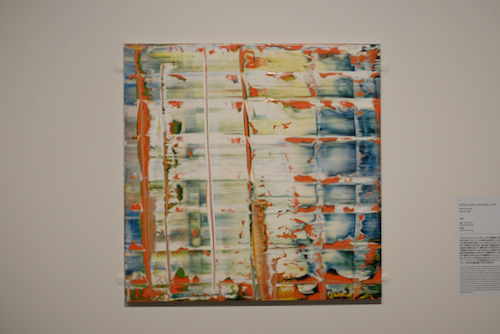
「Direction」シリーズは、自然界の基本的で強力な力を探求し、それらを視覚化する芸術作品です。このシリーズで名和晃平氏は、キャンバスを約11度の特定の角度に傾けて壁に取り付けることで、地球の自転軸と地磁気軸の間の角度と一致させています。

制作過程では、塗料を斜めに設置されたキャンバスの上部から流し込むことにより、重力の作用によって塗料が流れ落ち、非常に滑らかで均一な線を形成します。

レオナルド・ダ・ヴィンチが黄金比を用いて自然の美を追求したように、名和晃平氏は11度という地球に固有な角度を利用して、自然界に内在する調和と秩序を探求しています。彼の手法は、現代のキャンバス上で自然界の構造的特徴を再現し、観る者に自然界の美しさを伝えます。

このように、「Direction」シリーズは、重力という生命にとって根源的な要素を制作手法に取り入れ、美と自然との関係を際立たせています。

The "Direction" series explores and visualizes the fundamental and powerful forces of nature. In this series, Kohei Nawa tilts the canvas at a specific angle of approximately 11 degrees, aligning it with the angle between the Earth's rotational axis and geomagnetic axis when mounted on the wall.

During the creation process, paint is poured from the top of the slanted canvas, allowing gravity to cause the paint to flow down and form very smooth and uniform lines.

Just as Leonardo da Vinci pursued the beauty of nature using the golden ratio, Kohei Nawa utilizes the 11-degree angle inherent to the Earth to explore the harmony and order inherent in the natural world. His technique replicates the structural features of the natural world on a contemporary canvas, conveying the beauty of nature to the viewer.

Thus, the "Direction" series incorporates gravity—a fundamental element for life—into its creative process, highlighting the relationship between beauty and nature.

2023/07/05

究極の遊び

                                                                                Photo by Toshihiko Murakami

IDOCHAでは、少人数のゲストをお招きして「究極の遊び」を定期的に開催しています。この名前は大げさに聞こえるかもしれませんが、ゲストの皆様に至高の体験を提供することが目的です。桃山時代のお茶会がまさに「究極の遊び」だったことから着想を得て、形式に囚われずに「当時のお茶会」を現代風に再現する試み。

美術作品に囲まれた空間で、一流の料理人による厳選された素材で作られた懐石料理と美しいお菓子を、陶芸家内田鋼一さんが、この日のために制作した器で味わっていただきます。料理は、京都の三つ星料理店「未在」で13年間研鑽を積んでこられた土田勇士さんが手掛け、「御菓子丸」の杉山早陽子さんによるアート作品のような菓子の後、内田鋼一さん作の茶碗で点てられた抹茶で締めくくります。非日常の雰囲気を演出する生花は、みたての西山隼人さんにお願いしました。

この日のテーマは「刻(とき)」。アート作品や陶芸作品は時を超えて存在しますが、料理やお菓子、生花の形は失われます。主人と客が共有した特別な時間も同様の運命を辿ります。しかしながら、その存在が儚いが故に、その美味しさや美しさは一層際立つのです。そして、その一切が消え去った後も、体験を言葉にして共有すれば、「刻」の物語が生まれ、再び新たな価値を生み出します。


At IDOCHA, we regularly invite a small number of guests to partake in what we call the "Ultimate Pastime". While the name might sound extravagant, our aim is to provide our guests with an extraordinary experience. The concept was inspired by the tea ceremonies of the Momoyama era, considered the "ultimate pastimes" of their time. Our endeavor seeks to recreate those tea ceremonies in a contemporary style, free from rigid formality.

In a space surrounded by art, guests savor kaiseki cuisine made from carefully selected ingredients by a first-class chef, accompanied by beautiful sweets, all served on ceramics crafted by Kouichi Uchida specifically for this occasion. The culinary experience is brought to life by Yuushi Tsuda, who has honed his skills at the three-star Kyoto restaurant "Mizai" for 13 years, and the artistic sweets are provided by Sayoko Sugiyama of "Okashi Maru". The ambiance of extraordinary is created by Hayato Nishiyama, our chosen florist.

The theme of the day is "Time". While art and ceramics exist beyond the constraints of time, the forms of food, sweets, and live flowers are lost. The special moments shared by host and guest share the same fate. However, it is the fleeting nature of these elements that accentuates their beauty and deliciousness. Even when all physical traces are gone, sharing these experiences through words creates a story of 'Time', birthing new values again.

2023/03/12

名和晃平 Kohei Nawa / White code #35


                                                                  Photo by Toshihiko Murakami
Kohei Nawa / White code #35

本作は、白い絵具の雫が滴下する動きを、水平に置かれた麻布をゆっくりと(約秒速1 cm)移動させながら受け止めることで制作されています。作家は絵具の粘度、滴下孔の大きさ、布の移動速度といった条件を精密に調整し、雫が粒として線上に並び、ときに途切れ、ときに結びつきながら定着していく過程を利用しています。筆致や身体的な動作によって描くのではなく、素材の特性と物理的パラメータを制御することで画面を構成している点に、本作の特徴があります。

「White code #35」は、降り積もる雪を思わせる一方で、プログラムコードのような規則性も感じさせ、アナログとデジタルの中間領域に位置する表現として見ることができます。素材の挙動を丁寧にコントロールすることで生まれるその線は、情報社会のリズムや構造を反映した、現代的な印象を強く与えます。


この作品を初めて拝見した際、Agnes Martin の《The Islands》が想起されました。Martin の作品では、薄い土色のキャンバスに手描きのグリッドが引かれ、小さな白い四角が一つひとつ規則正しく塗りつぶされています。その画面からは、人の手によって築かれた秩序や、清潔で静謐な精神性が感じられます。

同じく土色と白というミニマルな色調を持ちながら、「White code #35」から伝わってくる感覚は大きく異なります。Martin が示した手技と規律の世界に対して、本作はデジタル社会固有の構造や情報の流動性を視覚化しています。両者を比較すると、作家が生きた時代や環境の違いが、作品に宿る感受性に明確な差異を生み出していることがよくわかります。

"White code #35" is an abstract painting created using a technique where drops of white paint are caught on horizontally moving linen fabric, arranged in a linear pattern, and fixed in place by connecting or interrupting them, all while controlling the viscosity of the paint, the size of the holes through which the paint flows, and the speed at which the fabric is moved. The artist did not use their body to create the painting but rather controlled the paint's viscosity, the size of the holes through which the paint flows, and the speed at which the fabric is moved.

"White code #35" resembles both snow falling on the earth and programming code, occupying an intermediate space between analog and digital art forms.

When I first saw this artwork, it reminded me of Agnes Martin's "The Islands". That work features a small arrangement of white squares on a background of earthy brown, created by painting the canvas a light brown color, drawing a grid in pencil by hand, and filling in the grid squares with white paint in a regular pattern.

Agnes Martin's canvases evoke a sense of order created by human hands, conveying a clean, pure, and Zen-like faith. In contrast, "White code #35" reflects the digital society of the 21st century and exudes a very contemporary atmosphere. While these works give off a minimal, clean impression of brown and white, they are strongly influenced by the era and environment in which the artist lived, giving a different sense altogether.


2022/12/20

中谷芙二子


Diller and Scofidio は、霧を建築材に使った画期的な建築を設計したが、中谷芙二子は世界で初めて霧を材料に彫刻を創ったアーティストである。1970年の大阪エキスポで初めて「霧の彫刻」を発表し、以後、霧を素材に世界各地に80以上の霧の彫刻を設営した。

彫刻の歴史において、石やブロンズのようなソリッドなマテリアルを用い、安定した形で静止させることが彫刻として成立させるための大前提だった時代が長く続いた。

この前提に風穴を開けたのがアレクサンダー・カルダー。1930年代、カルダーは、風になびき形が変容する画期的な彫刻を発明した。ただ、カルダーの彫刻にはまだ重心があり、重心の位置が変わることはない。彫刻に付きまとう固定した重心からは逃れられなかった。

中谷は、彫刻に無くてはならないと考えられていた重心を無くしてしまった。それだけではない、外から鑑賞するだけではなく、中に入って鑑賞する彫刻を創造した。空中に揺れる自然のベール越し観る景色は常に変化し止まることなく振動している。

かつて、レオナルド・ダヴィンチが、遠くにあるものをぼかして表現することによって空気の質感を描こうとしたが、中谷は自然のベールであたりをぼかし、彫刻においてスフマート技法を再現したのである。


Diller and Scofidio used fog as a building material to create innovative architecture. On the other hand, Fujiko Nakaya was the first artist to use fog as a material for sculptures, showcasing her "Fog Sculptures" for the first time at the Osaka Expo in 1970. She has since installed over 80 fog sculptures in various locations around the world.

Alexander Calder revolutionized the traditional idea of sculptures needing to have a solid material like stone or bronze with a stable form. In the 1930s, Calder invented sculptures that change shape in response to wind. However, Calder's sculptures still had a center of gravity that remained unchanged.

Fujiko went a step further by eliminating the need for a fixed center of gravity in sculptures. Her sculptures not only allow for viewing from the outside, but also allow for viewing from the inside, surrounded by the constantly changing and vibrating natural veil of fog.

Just as Leonardo da Vinci tried to depict the quality of air by blurring objects in the distance, Fujiko used the natural veil of fog to blur the surroundings and recreate a sfumato effect in her sculptures.

2022/11/24

Blur Building


Diller and Scofidio 設計の Blur Building(霧の建物) は、スイスの西部にあるヌーシャテル湖の南に建てられた2002年スイス・エキスポのためのパビリオンである。その名の通り、建物を覆う外部との境界線は霧でできている。霧なので、天候に大きな影響を受ける。風が吹くと流される。気温の変化で上下に動く。

まるで雲のような建物であるが、中に入ると視界不良のため視覚以外の匂いや音に感覚を集中させ手探りで、恐る恐る前に進むことになる。そこは、慣れ親しんだ高解像度のデジタル映像とは真逆の低解像度の世界である。

アバターが高解像度のバーチャル空間で生活するというメタ社会の実現も間近にあるが、雲の中の低解像度の現実は社会の進歩とは逆行する世界。


随分昔であるが、インドのタージマハールで忘れがたい経験をした。タージマハールはインドの王が若くして亡くなった妻のために建てた墓(廟)であり、対岸のアグラ城から美しいタージマハール望み今は亡き妻への想いをはせたと言う。私はアグラ城から、青く晴れた空の下、輪郭がくっきりとしたタージマハールを眺めていた。ところが見る見るうちに空がどんよりとして暗くなり雨が降り出した。あたりに霧が立ち込め、タージマハールのその美しい姿はおぼろげになり濃い霧の中に消えてしまった。

遥々、インドまでタージマハールを観るために来たというのに、と悔しい気持ちでいると、やがて霧は薄らぎ始め陽光とともに再び白くくっきりとした優美な姿を取り戻したのだった。この夢のような体験は時間にしてたった10分程度。

霧は高解像度の世界を一変させる自然のベールであるが、時に我々の脳をも詩的に刺激するアーティスティックな建築材(メディア)なのである。

The Blur Building designed by Diller and Scofidio is a pavilion built for the 2002 Swiss Expo in Nussloch Lake in Western Switzerland. As its name implies, the building is surrounded by a mist that blurs the boundary between the exterior and interior of the building. 

The mist is affected by the weather and can move with changes in wind and temperature. Inside the building, with limited visibility, the experience is focused on sensory stimuli other than sight, such as sound and smell, as visitors move forward cautiously. This low-resolution world contrasts with the high-resolution digital images that we are familiar with. 

The realization of a metasocial reality where avatars live in high-resolution virtual spaces is imminent, but the low-resolution reality within the mist runs counter to the progress of society. The experience of the Blur Building is a reminder of how the natural veil of mist can transform the high-resolution world and stimulate our brains artistically.

I once had a memorable experience in Taj Mahal, India. Taj Mahal is a tomb built by an Indian king for his beloved wife who passed away at a young age. From the opposite bank of the river, I was admiring the Taj Mahal with its beautiful outlines, reflecting the king's memories of his late wife. However, soon the sky turned cloudy and it started raining. The surroundings were enveloped in a thick mist, and the beauty of the Taj Mahal faded into the darkness, becoming barely visible. 

Despite coming all the way to India to see the Taj Mahal, I was filled with regret. But, eventually, the mist started to clear, and the Taj Mahal regained its white and beautiful appearance, shining under the sunlight. The whole experience, like a dream, lasted only about 10 minutes. The mist is a natural veil that can change the high-resolution world and sometimes, it stimulates our brains poetically and becomes an artistic medium for building and construction.

2022/09/04

Gerhard Richter

この電波が乱れたモニターの映像のようなAbstract Painting は、どのようにして製作されたのでしょうか?
ゲルハルト・リヒターは、キャンバスに複数の絵の具をたっぷりとベタ塗りし、まだ乾かぬうちに、スキージ(へら)と呼ばれる手作りの道具をキャンバスの表面を滑らせます。スキージにより、削り取られ、引き伸ばされ、混ざり合った絵の具から得られるイメージは予測不能。 あらかじめ狙った完成形のイメージに近づけるという従来の手法ではなく、引っ掻いてみなければ分からない偶然性に支配され、絵画として成立するまで、反復し制作を進めていきます。
ジャクソン・ポロックがドリップ・ペインティングという手法を用いて、抽象絵画に偶然性と身体性の要素を取り入れ再現不可能な絵画を創出したのと同様に、実験的な制作を繰り返し偶発的に生まれた傑作がこの作品。リヒターの抽象画作品の中でも際立った一作となっています。

How was this Abstract Painting that looks like a distorted monitor image produced? Gerhard Richter applies several colors of paint generously and thickly on canvas, then, while still wet, uses a handmade tool called a squeegee to scrape the surface of the canvas. The image obtained from the scraped, stretched, and mixed paint is unpredictable. Rather than using traditional techniques to approach a preconceived final image, Richter is governed by the element of chance that can only be revealed by scratching and repeating the production process until the painting is completed.

Similar to Jackson Pollock, who used the drip painting technique to incorporate chance and physical elements into abstract paintings and create irreproducible works of art, this piece is the result of experimental production and accidental brilliance. It is one of Richter's masterpieces of abstract painting. 

2022/07/08

Lucian Freud (2)


ハンサムで魅力的だったフロイドは多くの女性と出会い、彼女たちとの間に30人もの子供がいたと言われています。(認知したのは14人)

フロイドが描くのは、実の子供たちや愛人、友人たちなど、彼が興味を持つ、ごく近しい人々。作業はゆっくりしていて、ものすごく時間をかけて細部を観察して描きました。絵画の歴史において、女性の肖像画は欠点を補うように若く描くのが常でしたが、フロイドはあえて醜く描きました。画家の執拗な観察により微細な欠点も白日の下に晒されたモデルは実際よりも老けて見えました。モデルたちは、しばしば「なぜルシアンは私を醜く描くのだろう」と戸惑ったといいます。

フロイドの祖父は、精神分析を創始したジーグムント・フロイト。祖父がベッドやソファーに患者を座らせて本人が明かそうとしない事実を引き出したように、ルシアンもベットやソファーにモデルを座らせて内面から滲み出る外観の特徴を微細に観察しリアルに表現しました。


この後ろ向きで横たわる女性はフロイドの実の娘アナベル(Annabel)。

まるで冬眠に入った動物のように深い眠り落ちている後ろ姿は、痛々しく精神的な救いを求めているように見えます。閉ざされた彼女の内面は、丸い背中をおおう青いガウンのしわの陰影に見事に表現されています。

唯一あらわなゴツゴツした男のような「足の裏」は、彼女の内面から露出した異物のようです。

フロイドは、しばしば脇役(手や足)を主役(顔)のように描き、脇役に圧倒的な存在感を持たせましたが、この絵は主役が不在で足の裏が主役の代わりを演じます。

絵画の中のヒエラルキー(主役、脇役等)を壊す非常識も彼の専売特許です。

Lucian Freud, who was handsome and charismatic, is said to have had encounters with many women, and it's believed that he fathered as many as 30 children (though he officially recognized 14 of them).

The subjects of Freud's paintings were often those closest to him: his own children, lovers, friends, and anyone who piqued his interest. His working style was slow, taking an immense amount of time to observe details meticulously. Historically in art, portraits of women were often painted to make them look younger and hide their flaws. However, Freud deliberately painted them in an unflattering manner. Due to the artist's relentless observation, the models often appeared older, with every minor flaw illuminated. It was often said by the models, "Why does Lucian paint me so unattractively?"

Lucian Freud's grandfather was the founder of psychoanalysis, Sigmund Freud. Just as Sigmund made his patients sit on a bed or couch to delve into truths they were reluctant to reveal, Lucian also placed his models on beds or sofas, keenly observing and depicting the outward characteristics stemming from their inner selves.

The woman lying on her back in this painting is Freud's biological daughter, Annabel. Her reclining figure, seemingly in a deep, hibernation-like sleep, looks as if she is in pain and seeking psychological relief. Her closed-off inner world is brilliantly expressed in the shadows of the blue gown covering her rounded back. The only exposed part of her - the rough, almost masculine soles of her feet - appear as foreign objects revealing her inner self.

Freud often painted what might be considered secondary features, like hands or feet, with as much importance as primary ones, like the face. In this painting, with no evident main subject, the soles of the feet take center stage.

Breaking the conventional hierarchy in art, where certain elements take precedence over others, was a hallmark of Freud's style.

2022/06/16

Lucian Freud (1)


                         Naked Man Back View / The Metropolitan Museum of Art, New York

20世紀の偉大な肖像画家として、世界的な名声を博するきっかけになったのは画家が70才の時(1993年)にニューヨーク、メトロポリタン美術館で開催された個展。

ルシアン・フロイドは、それまで画商たちから「あの男はまったく売りようがない絵ばかり描いている」と陰口を叩かれていたそうです。一般的なコレクターが好む美しさや癒しの要素は微塵もない「おぞましい」作品を描いていると。

リー・バワリーは、少々アンダーグラウンドな舞台のダンサー。100キロを超える肉体の持ち主で頭髪と体毛を剃り上げている。「こんな絵に買い手がいるのだろうか?」「誰が正面を向いた巨大な男性のヌードなど買うのだろうか?」

売りにくい絵ばかり描いていたフロイドですが、リー・バワリーの連作は突き抜けていました。

実は、この異様な男性ヌードの連作がフロイドを国際的に有名にした記念碑的な作品なのです。

世界有数のメトロポリタン美術館はリー・バワリーの肖像の価値を認め、同美術館で画家の個展を大々的に開催することになったのです。


                                                                                                      Leigh Bowery


The turning point that catapulted him to global fame as one of the 20th century's greatest portrait painters was a solo exhibition at the Metropolitan Museum of Art in New York when the painter was 70 years old, in 1993.

Lucian Freud, up until that point, was rumored to be disparaged by art dealers with comments like, "That man paints nothing but unsellable art." His works, devoid of the typical beauty or therapeutic qualities favored by general collectors, were labeled as "horrifying."

Leigh Bowery was a somewhat underground stage dancer. Weighing over 100 kilograms, he had shaved off his hair and body hair. People wondered, "Who would buy such a painting?" "Who would purchase a portrait of a massive nude man posed frontally?"

Although Freud was known for painting challenging subjects, his series on Leigh Bowery was particularly striking.

In fact, this uncanny series of male nudes became the monumental works that made Freud internationally renowned.

Recognizing the value of the portraits of Leigh Bowery, the world-renowned Metropolitan Museum of Art decided to host a grand solo exhibition of the artist's work.

2022/05/15

Damien Hirst 桜


ダミアン・ハーストによる桜の連作(厳選された24点)の展覧会は、最初にパリのカルティェ財団で開催され、東京国立新美術館にやってきました。

展覧会場に入ったとき、「この壁はMOMA(ニューヨーク近代美術館)のようだな」と心の中で呟きました。

おろしたての白いシーツのような壁面を見つけ「これは良い展覧会に違いない」というポジティブな予感を得ました。

日本で開催される現代美術の展覧会があまり魅力的でないのは「空間」に問題があると常々感じていました。天井のスポット照明のレールが目立ちすぎたり、壁と床の接点の巾木などのディテールがありきたりで空間の質が低く現代美術を展示する箱として相応しくないからです。


この「ダミアン・ハースト 桜」展はアーティス自身が展示を監修し、美術館の壁の前にもう一つの白い壁を立て巾木を無くし人が通る開口部がミニマルになるようにインテリアを再構築したとのこと。これにより空間の中で「桜」と「鑑賞する人々」以外の要素が消え、桜に囲まれた「花見の感覚」を創出することに成功しています。

マーク・ロスコやジャクソン・ポロックの絵画を鑑賞する空間がミニマルであるべきように、彼らから影響を受けたハーストの作品にも同様の空間が必要です。

展覧会の後、気がついたことは抽象表現主義と関係が深いモネの「睡蓮の間」(オランジュリー美術館)での空間体験
と似ているということ。そう、まるで作家が創出したイリュージョンに迷い込んだような感覚。

オランジュリー美術館でモネが愛した「ジュベルニーの庭」を擬似体験するように、短い桜の時期に合わせて企画された期間限定の「桜」の鑑賞を終えた観客は、もう同じ桜は観ることが出来ないのだと名残惜しく感じるのでした。


The exhibition of Damien Hirst's cherry blossom series (a curated selection of 24 works) was first held at the Cartier Foundation in Paris and has now come to the Tokyo National Art Center.

Upon entering the exhibition space, I inwardly remarked, "This wall feels like MOMA (Museum of Modern Art in New York)."

Spotting the walls, as pristine as freshly laid white sheets, I had a positive premonition that this would be a splendid exhibition.

I've often felt that the issue with contemporary art exhibitions in Japan is the "space." The noticeable rails for ceiling spotlights or the details like baseboards where the wall meets the floor diminish the quality of the space, making it inappropriate for displaying modern art.

In this "Damien Hirst - Cherry Blossom" exhibition, the artist himself supervised the display. They constructed an additional white wall in front of the museum's walls, removed the baseboards, and minimized openings where people pass through. This allowed for all elements other than the "cherry blossoms" and "the viewers" to disappear, successfully creating an ambiance akin to "flower viewing" surrounded by cherry blossoms.

Spaces for viewing the paintings of Mark Rothko or Jackson Pollock must be minimalistic. Hirst's paintings, influenced by these artists, demand the same.

After the exhibition, I realized the spatial experience felt reminiscent of Monet's "Water Lilies" rooms at the Orangerie Museum, deeply related to abstract expressionism. Indeed, it felt as though I had stepped into an illusion created by the artist.

Just as one virtually experiences "Monet's gardens at Giverny" at the Orangerie Museum, visitors who finished viewing the temporary cherry blossom showcase, synchronized with the short cherry blossom season, felt a lingering sadness knowing they would never see the same blossoms again.

2022/04/20

My most fevorite artist


この美しいエドワード・ホッパーの作品は、ニューヨークのホイットニー美術館が所蔵する『A Woman in the Sun, 1961』です。ホッパーの妻、ジョゼフィンをモデルにした一連の作品のひとつで、彼女は当時78歳でした。しかし、ホッパーは見たままを写実的に描くのではなく、彼女の外見を自分の心象に基づいて再構成し描写しました。

年老いた妻は、画家の記憶と想像によって若く美しい姿に変わり、太陽の光を浴びて輝いています。ホッパーは静止した肖像画ではなく、過去の記憶と空想が交錯した物語性のある場面を、まるでフィルムの一場面を切り取るように描きました。このように鑑賞者は、前後の物語を想像せざるを得なくなります。

シンディ・シャーマンの「Untitled Film Stills」シリーズに、ホッパーとの共通点を感じるのは私だけでしょうか?両者の作品には、物語の断片としてのイメージを鑑賞者に提供する点で類似性があります。

また、ホッパーの作品には、鑑賞者が「覗き見る」というもうひとつの視点が想定されており、この要素は、フェルメールの絵画に見られるプライベートな瞬間を捉える手法と共通しています。


This beautiful work by Edward Hopper is titled "A Woman in the Sun, 1961", and is part of the collection at the Whitney Museum in New York. It is one of a series of paintings for which Hopper’s wife, Josephine, served as the model, and she was 78 years old at the time. However, instead of portraying her realistically as she appeared, Hopper reinterpreted her outward appearance based on his own mental imagery.

In the painting, his elderly wife is transformed into a young and beautiful figure, basking in the sunlight, thanks to the artist’s memories and imagination. Rather than depicting a static portrait, Hopper captures a scene that blends memories and fantasy, as if freezing a moment from a story—much like a film still. Viewers are compelled to imagine the story that unfolds before and after this moment.

I wonder, am I the only one who finds similarities between Hopper’s work and Cindy Sherman’s "Untitled Film Stills" series? Both artists provide the viewer with an image that feels like a fragment of a larger narrative.

Additionally, Hopper’s work often presumes a second, voyeuristic perspective from the viewer, which brings to mind the intimate, private scenes captured in Vermeer’s paintings.


2022/03/28

Rudolf Stingel


この巨大な作品は、イタリアのアーティスト、Rudolf Stingelの油彩。
自ら監督し自演した架空の映画のスチール写真のようです。

実在しない映画のスチール写真アートはCindy Shermanが始めたジャンル(Untitled Film Stills )ですが、これはShermanの二番煎じなのでしょうか?


Shermanは写真ですが、Stingelの作品は油彩。Shermanは、(監督、演出、コスチュームから役者まで)全て自作自演したオリジナル作品ですが、Stingelの場合、他のアーティストの作品をベースに描いた作品。

西洋のアートシーンにおいて、オリジナティー(独自性)があることが求められ二番煎じは評価の対象にはなりません。二番煎じ的な作品を手がけるStingelですが、意外にも今最も注目されるコンセプチャルな現代アーティストとして脚光を浴びています。

実際、Stingelの作品は一度、実物を前にすると忘れがたい強烈なインパクトがあります。まるで、間近に巨大な映画スクリーンを観るような不思議な感覚。

映画館でアナログ作品をスクリーンに映写するように、Stingelは制作したイメージ(スチール写真)をアーティス自身の手と絵の具でキャンバスに投影する。映画館の映像には無い重厚なイメージがプレゼンスし観客を圧倒します。

このキャンバスに投影された巨大な作品はアーティストの身体が投影装置となった画期的な肖像画となのです。

This massive piece is an oil painting by the Italian artist, Rudolf Stingel. It appears like a still photo from a fictional film he directed and starred in himself.

The art genre of still photos from non-existent films began with Cindy Sherman's "Untitled Film Stills." So, is Stingel's work just a rehash of Sherman's?

While Sherman uses photography, Stingel's medium is oil paint. Sherman's works are entirely original, where she plays every role from director, producer, costume designer, to actor. In contrast, Stingel's work is based on pieces from other artists.

In the Western art scene, originality is paramount, and derivatives often aren't the subject of high praise. Yet, despite creating works that might be seen as derivative, Stingel is surprisingly gaining attention as one of the most prominent conceptual contemporary artists of the moment.

Indeed, when you stand in front of one of Stingel's pieces, its powerful impact is unforgettable. It evokes a peculiar sensation, almost like watching a gigantic movie screen up close.

Much like projecting analog art onto a cinema screen, Stingel transfers the image he has created (the still photo) onto the canvas using his own hands and paint. This results in a deep, weighty image that a cinema screen cannot capture, overwhelming the viewer.

This enormous work projected onto the canvas is revolutionary, with the artist's body acting as the projection device, resulting in an epoch-making portrait.


2022/02/19

茶湯の革命


日本の陶芸の歴史を振り返ると、その起源は外国にあり良い焼き物は日本では作れなかったので中国に発注していました。

茶湯においても唐物の焼き物が珍重され茶会は舶来品のお宝をお披露目する場という傾向があったことは否めませんでした。

そのような世俗的な物質主義がまかり通っていたころ、あるアバンギャルドな茶人により「草庵の茶湯」という全く新しい価値が提示されたのです。高価な舶来の茶入れや天目茶碗と同列に農家の雑器を水差しとして用いたことに、人々は衝撃を受けたことと想像に難くありません。この茶人の発想はデュシャンのレディメイドに通じるものがあります。

「藁屋に名馬をつなぎたるがよし」(粗末な室内に名器を置くのがよい)とは「草庵の茶湯」の精神を表す名言です。

他国において、焼き物の歴史は粗末な土器から色彩豊かな磁器へと進化しコレクションされ晴れの舞台で使用されるのはもっぱら磁器。一方、日本において「侘び寂び」をよしとする「草庵の茶湯」が無施釉焼き締めの信楽の肌や窯変に美的な価値を見い出しました。一輪の野の花の美しさを引き立てるのは、エレガントな磁器ではなく侘びた粗陶器にあり。

これは日本のオリジナルな美意識です。

Looking back at the history of Japanese pottery, its origins can be traced to foreign lands, as high-quality ceramics could not be produced in Japan and were thus ordered from China.

In the tea ceremony, too, foreign ceramics were treasured, and tea gatherings often had a tendency to showcase imported treasures.

At a time when such materialistic values dominated, an avant-garde tea master introduced an entirely new concept known as "Wabi-sabi tea of the grass hut." It must have been shocking for people to see that this tea master placed ordinary farmer's pottery on the same pedestal as expensive imported tea caddies and Temmoku tea bowls, using them as water jars. This idea of the tea master has parallels with Duchamp's readymades.

"Like tethering a prized horse to a humble straw hut" captures the spirit of the "Wabi-sabi tea of the grass hut."

In other countries, the history of ceramics evolved from rudimentary earthenware to colorful porcelain, and it is primarily porcelain that is collected and showcased on grand occasions. Meanwhile, in Japan, the Wabi-sabi of the "tea of the grass hut" saw aesthetic value in the unglazed finish of Shigaraki pottery and kiln changes. The beauty of a single wildflower is best accentuated not by elegant porcelain, but by rustic, Wabi-sabi earthenware.

This represents a uniquely Japanese sense of beauty.


2022/01/22

越えられるものと越えられないもの

                                                                                    染付鮎向付 魯山人作

人気陶芸作家の大谷哲也氏は「過去のクリエーターの影響なしに作品を制作することは不可能」と語っておられました。

大谷氏は「写し」を作っておられませんが、魯山人をはじめ多くの陶芸作家は過去の名品の写しを創作し時に元になった器を超えるような作品を生み出します。

「写し」が「本家」を超えるということがあるのが陶芸の世界で、絵画や彫刻には無いユニークなところだと思います。

魯山人の場合、自分好みの器、例えば中国の染付や李朝の陶器、日本の織部などの写しを創作しました。魯山人の器は観賞用ではなく用の器。多くの料理人に人気があり料理を盛ってみたいと思わせるのは、魯山人自身が料理人であり日本料理に合う器を写し、さらに用の器としての完成度を高めたからではないでしょうか。


他方、青磁は朝鮮や日本で多くの写しが作られてきましたが、11世紀から12世紀頃作られた中国・汝窯(じょよう)の青磁を超える磁器はまだ作られていません。

汝窯の釉には瑪瑙(メノウ)の粉末が使われていたとされ、表面の青色は言葉では表現しにくい優美で潤いのある魅惑的な色合いを帯びています。現存するのはわずか70点余りで台北故宮博物院や大英博物館に所蔵されており、個人所蔵品は4点のみだそうです。

Popular pottery artist Tetsuya Otani once stated, "It's impossible to create works without being influenced by past creators."

Although Mr. Otani does not make "replicas," many potters, including Rosanjin, create reproductions of past masterpieces. Sometimes, these reproductions surpass the original pieces they are modeled after.

One unique aspect of the pottery world is that a "replica" can sometimes surpass the "original." This phenomenon isn't typically found in other art forms like painting or sculpture.

In the case of Rosanjin, he created pieces that reflected his personal preferences, drawing inspiration from Chinese blue-and-white pottery, Korean ceramics from the Joseon dynasty, and Japanese Oribe ware. Rosanjin's pieces aren't just for display but are practical wares. They are popular among many chefs who find them enticing for presenting dishes. Perhaps the reason for this popularity is that Rosanjin himself was a chef, and he created reproductions that not only matched Japanese cuisine but also elevated their functionality as practical wares.

On the other hand, while numerous replicas of celadon have been made in Korea and Japan, no porcelain has yet surpassed the celadon of China's Ru kiln, produced between the 11th and 12th centuries.

It is believed that the glaze of the Ru kiln contained powdered agate, giving its surface a uniquely graceful and lustrous blue hue that is difficult to describe in words. Only around 70 pieces are known to exist today, with collections housed in institutions like the National Palace Museum in Taipei and the British Museum. Only four pieces are reportedly in private collections.

2022/01/05

Anselm Kiefer 2


私は、1988年、ニューヨークの近代美術館において開催されたAnselm Kiefer展でこの画家のことを知りました。

作家は4メートルを超える作品を多数創作しキャンバスに絵の具というありきたりなメディアでの表現にとどまらず、金属や木片、藁、といったおよそ絵画には使われたことがない物体を駆使し3次元的に制作します。

それら質量のある物体を立体的にコラージュした作品群を展示した部屋に一歩入った時の印象は強烈でした。画集で見た印象と実物のそれは全く別物で、画集が小さな水風呂としたら、実物はフィンランドの大自然にある湖に飛び込むようなもの。

この圧倒的な展覧会を体験し、現代美術は写真ではなく実物を見なければ知ったことにならないと痛感しました。


2022/01/04

Anselm Kiefer 1


冬のIDOCHAの壁にかかっていた絵は、ドイツのAnselm Kiefer(アンセルム・キーファー)という作家の作品です。

1980年代に注目を集め、今、ドイツの代表的な現代美術の作家として活躍しています。

ドイツの暗い歴史を振り返り、圧倒的な迫力で過去の記憶を蘇らせ鑑賞者の心に訴えかけます。ドイツ人でなくとも、彼の絵画表現に感銘を受ける人は少なくないと思います。

タイトルは、ドイツ語でSiegfried Vergisst Brunhilde. 
このタイトルの由来は不明ですが、Siegfried と Brunhilde はゲルマンの神話上の人物で、前者は戦士、後者は女性の名前です。
ドイツの長い歴史の中で、この荒れた畑の風景は、今も昔も変わらない原風景でもあります。
この風景は、遠い彼方まで描かれていますが、その彼方はジーグフリートの神話が語られていた遠い昔であり、現代から遠い過去にタイムマシーンように遡って想いをはせる、といった心の深層を描いた作品だと思われます。

彼の作品は、一般的な感覚では美しいとは言えませんが、ドイツ人の魂の叫びのような強烈な印象を受けます。

この作品は、彼の作品の中では珍しく親しみやすい作風ですが、荒涼とした畑の描写はヴィンセント・ヴァン・ゴッホの風景を彷彿させる荒々しさを感じます。


2022/01/01

Piss Painting


ピエロ・マンゾーニのアバンギャルドに匹敵する作品を一つ挙げるとしたら、それはアンディ・ウォーホールの「Piss Painting」。

ウォーホールは、ファクトリーと呼ばれる自身の仕事場に、銅の絵の具で表面を塗りつぶした大きなキャンバスを床に置き、街を歩いている少年を連れてきて「おしっこ(Piss)」をかけさせました。銅色のキャンバスのPissがかかった部分は酸化されグリーン色に変化し、独特の表情を持った抽象絵画が出来上がりました。


このウォーホールの作品は、既製品の便器を展覧会に出展しアートの概念を根底から覆したデュシャンのオマージュです。


それだけではなく、水平に置いたキャンバスに絵の具をドリップして描いた画家ジャクソン・ポロックのパロディでもあります。


デュシャンやポロックが生きていて、この前代未聞の方法で制作されたPiss Painting を観たとしたら「そこまでする?」と呆れた顔をしたかもしれません。

2021/10/20

芸術の価値


ピエロ・マンゾーニというイタリアのアーティストがいます。

彼は、1961年「Merda d' artista(芸術家の糞)」を世に送りセンセーションを巻き起こしました。これは「芸術家の糞」とラベルに書かれた缶詰なのですが、中には本当にラベルに書かれたものが入っているのでしょうか?

この作品は、2015年、Christie'sのオークションに予想落札価格70,000英ポンド〜90,000英ポンド(約1100万円〜約1280万円)として出品され、その高額な予想価格を大幅に上回る182,500英ポンド(約2884万円)で落札されました。

これだけの高額になると缶を開けて中身を確認するわけにはいかず、何が入っているのか謎に包まれたままです。

一般的にアートは美しいものという常識がありますが、マンゾーニの作品を初め、アート作品には醜くおどろおどろしいものが多く存在します。

私は、ヨゼフ・ボイスの言葉を引用し、「形のない美しいものを相手にうまく伝えられた時、それは芸術になる」と記述しました。

これを言い換えると、何か美しいものが創造された時、それが人々にインパクトを与え、さらに口コミで広がるというものならば、それは芸術である。さらに、その作品に関して評論家が論文を書き、その論文が素晴らしく多くの人に読まれたとしたら、その論文の元になった作品は価値ある芸術作品。つまり、優れた芸術作品は社会的な価値を持っているのです。

「嫌われ者世にはばかる」というように、誰の目にも留まらないよりは、アンチでも無視されるよりはましだ、ということです。むしろ、アンチが多いほど、ファンも多く存在感が大きいのも事実。

「芸術家の糞」もそんな作品。アートの世界に大きなインパクトを与え、アートの常識を覆した。鑑賞者は好奇の眼差しでそれを眺め、これのどこが芸術なのかと憤慨する人がいたり、中に何が入っているのか知りたいという欲求に駆られたり... 無視できない存在感が、缶詰のラベルによって生み出される。そのような作品を生み出したマンゾーニは優れた芸術家なのです。


2021/09/10

「Everyone is an artist」すべての人は芸術家である


これは、ヨゼフ・ボイスの言葉です。形のない美しいものを、相手にうまく伝えられた時、それは芸術になります。

芸術は画家や音楽家だけのものではなく、教師であれ調理師であれ感動を伝えることができれば、その行為は芸術です。教師が授業で知識を授けるに留まらず生徒の行動を変える気づきを与えることができたら、それは紛れもなく芸術活動。なぜ、感動が必要なのか?それは感動がなければ、人々の考え方や価値観が変わらないからです。


人に感動を与えるという意味で、最近、観た素晴らしい芸術を一つ挙げるなら、それは兵庫県立美術館で開催された「コシノ・ヒロコ展」です。

この展覧会を観た人は、コシノさんの多彩な作品を再発見し人間コシノ・ヒロコを身近に感じたに違いありません。

もちろんコシノさんの凄さもさることながら、この展覧会のコンセプト、空間のデザインからポスターまでトータルにデザインを担当した三木健さんによる演出が秀逸でした。

モネによる睡蓮を描いた大作は、本物の睡蓮の庭を体験するよりも何倍も強烈な印象を与えます。三木さんによる展覧会もまたコシノさんを素材に数々の驚きの連続。斬新な演出のオペラを観終わった時のような余韻に浸って美術館を後にしました。彼の仕事は極め付きの芸術活動に他なりません。


2021/07/18

自宅に招待するが如く


新しいという字は、立つ木に斧(おの)と書きます。

この字が示すとおり、新しさは「ゼロ」から生まれるのではなく、すでにあるもの(木)に斧(創意工夫)を加えることにより創られます。

IDOCHAでは、茶室を参考にしながらも、茶室にない要素(現代アートと出来立ての美味しさ)を加えることによって、新しいおもてなしを形にしたいと考えました。

土佐漆喰と多々木(たたき)という伝統的な素材で仕上げた床・壁・天井のミニマルな空間に、伝統とは対局にある現代アートが強い個性を放っています。

ここは抹茶を楽しむための空間ですが、伝統的な茶室から考案された立礼式の茶室とも似ていません。

茶室は美しく完成された空間ですが、出来立ての料理を美味しく提供することには不向きです。その茶室の水屋の代わりにプロ用の厨房を装備し、畳ではなく、6メートルの一枚板のカウンターを舞台にディセールと抹茶でおもてなしします。

自宅への招待に勝るおもてなしはないと考え、現代アート好きの亭主がホームパーティを開くというイメージで造った空間がIDOCHA。その昔、数寄者がホームパーティを開くために造った究極のスペースが茶室ですから。

2021/06/17

Cy and Richard

サイ・トォンブリー(1928-2011)とリチャード・ディーベンコーン(1922-1993)は、ジャクソン・ポロックやマーク・ロスコーに続く抽象表現主義の作家。二人は同世代ですが、同じ抽象表現主義の中でも作風は大きく異なります。

                                                                                                          Untitled 1967, Cy Twombly

Cy Twombly

サイ・トォンブリーは、子供の落書きのような自由な線のタッチを特徴とする60年代の作品や黒板にチョークで渦巻きを永遠と描いた60年代後半〜70年代の作品などが有名で、前者にはシュールレアリズムの影響を、後者にはブランクイシーの無限柱に通じる精神性を感じることができます。

また、東洋の書や墨絵に通じるアプローチは、異文化間の交流や影響が見られ、日本で人気のジャン・ミッシェル・バスキアに影響を与えた作家でもあります。

Cy Twombly is known for his works from the 1960s, characterized by childlike, free-form lines, and those from the late 1960s to the 1970s, which feature seemingly endless chalk swirls on blackboards. The former can be perceived as influenced by Surrealism, while the latter evokes a spirituality connected to Brancusi's Infinite Column.

Furthermore, Twombly's approach, which resonates with Eastern calligraphy and ink paintings, demonstrates intercultural exchange and influence. Notably, his work has had a significant impact on the popular artist Jean-Michel Basquiat, who has gained considerable acclaim and recognition in Japan.

                                                                                                                    Green 1986, Diebenkorn

Richard Diebenkorn

一方、ディーベンコーンは、モンドリアンとマレーヴィッチが極めた要素を削ぎ落とした幾何学的な絵画を発展させてオリジナリティーを発揮しました。
モダニズム絵画の二大巨匠が到達した世界があまりにも斬新で究極の表現だったので、それ以降の作家による抽象絵画は、二番煎じ、三番煎じという印象が拭えず行き詰っていました。そのようなやり尽くされた感がある中で、ディーベンコーンはOsean Parkシリーズに代表される洗練された独自の抽象表現を生み出した稀有な作家です。

IDOCHAでは、今、この偉大な二人のアーティストの作品をご覧いただけます。

On the other hand, Diebenkorn demonstrated originality by developing the geometric paintings that Mondrian and Malevich had refined and reduced to their essential elements. As these two great masters of modernist painting reached an extremely innovative and ultimate level of expression, abstract paintings by subsequent artists struggled to escape the impression of being derivative and became somewhat stagnant. Amidst this sense of exhaustion, Diebenkorn emerged as a rare artist who created sophisticated and unique abstract expressions, as exemplified by his renowned Ocean Park series.

At IDOCHA, you can now view the works of these two great artists.